
Cat Claw Vine Plant at Planteeva
Choose Cat Claw Vine Plant from Planteeva for a growing position that suits the plant as well as your space. This listing belongs to our Climbers & Vines collection. The available nursery sizes are shown below so you can compare the actual option, container and current selling price together. A living plant changes with season, age and growing conditions; leaf count, branching and fullness can differ between specimens. Select for the light, maintenance and future room available in your home, balcony or garden rather than appearance alone.
For a practical routine, explore our Cat Claw Vine Plant care guide alongside the product information below.
Plant identity and what to expect
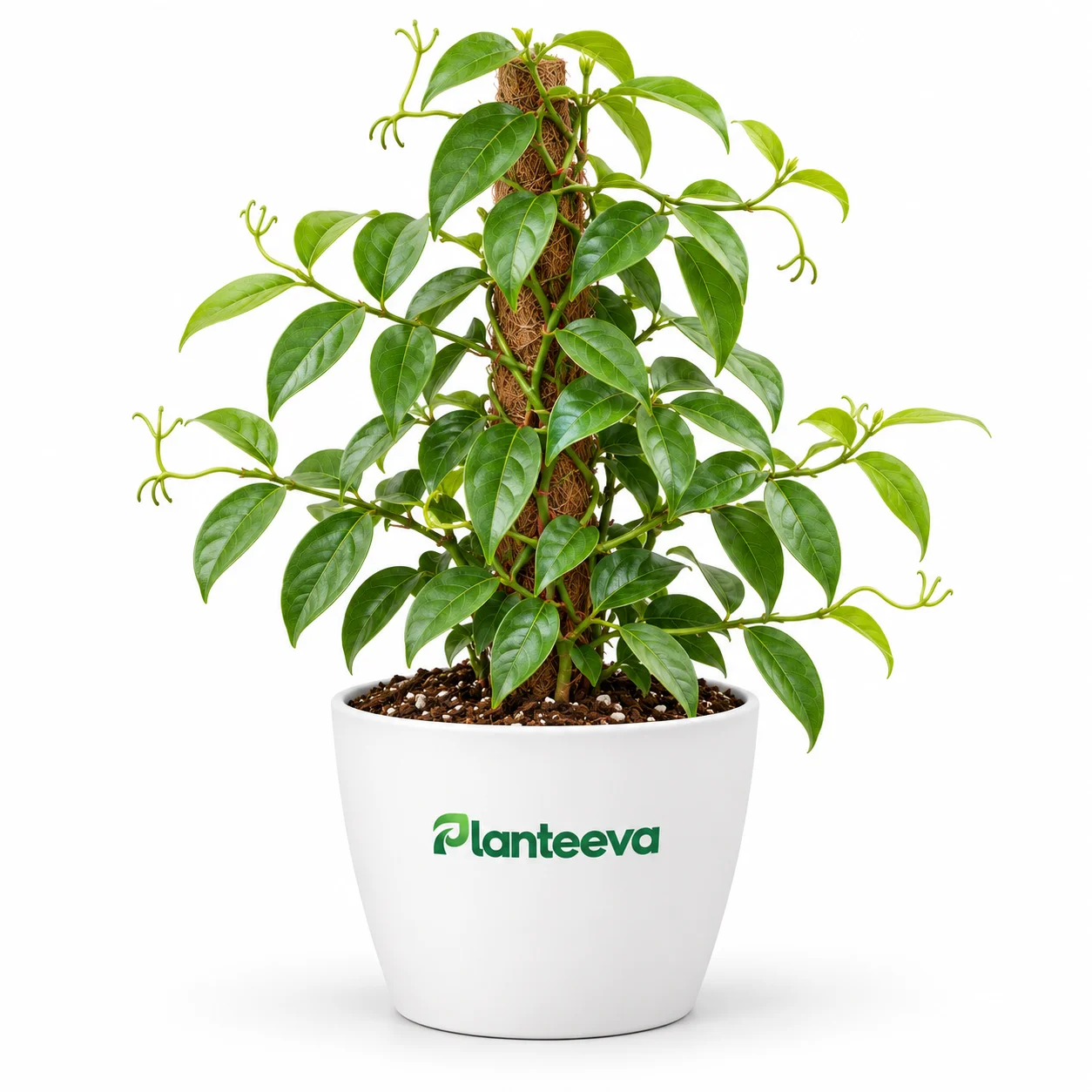
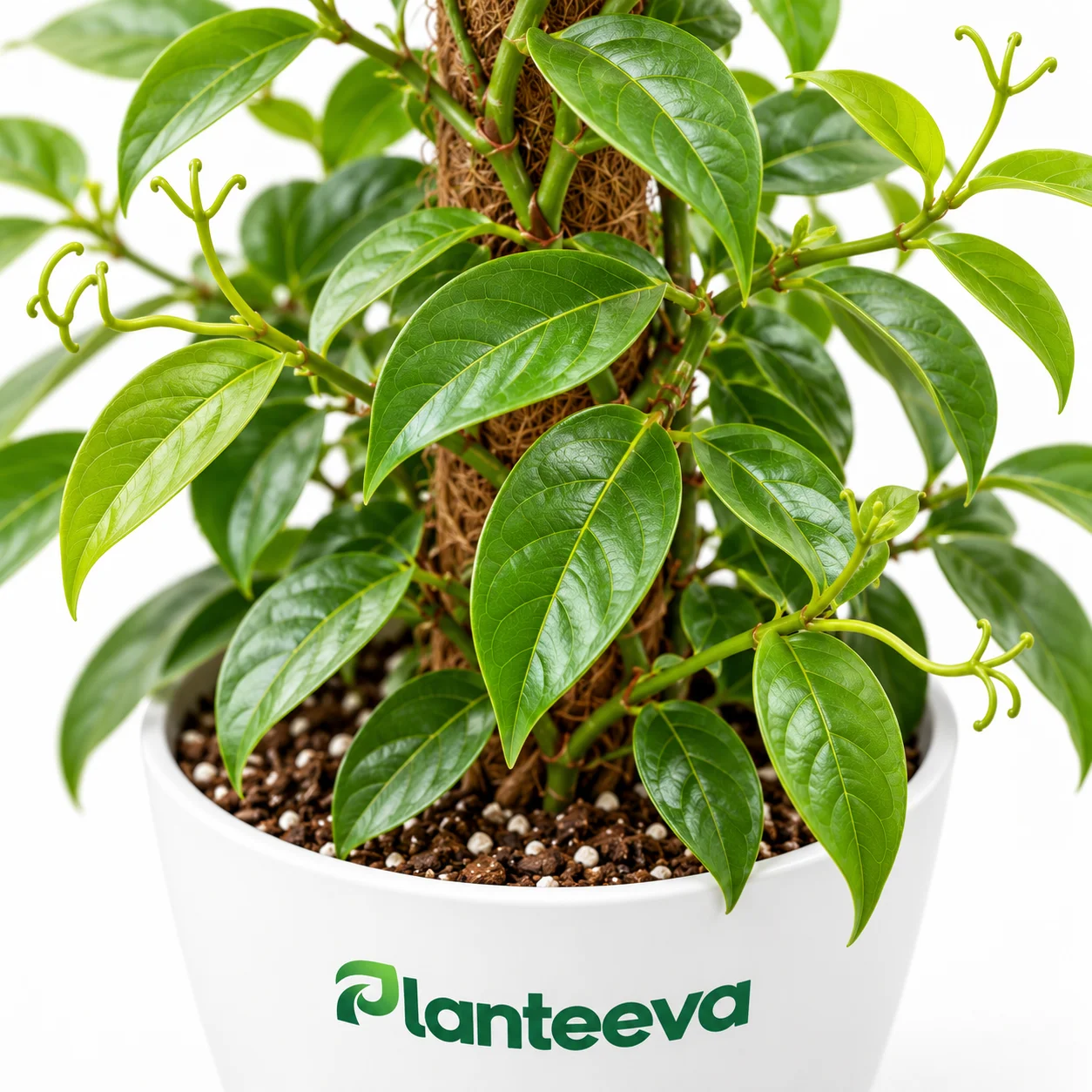
The botanical care reference is Dolichandra unguis-cati. Cat Claw Vine attaches with clawlike tendrils and can become invasive. Keep it away from natural vegetation and inspect boundaries regularly; do not let vigorous stems overrun trees.
Choose the right size
| Plant size | Pot size | Price (PKR) |
|---|---|---|
| 3 ft | 7 inch | 899 |
| 4 ft | 10 inch | 1,099 |
| 5 ft (12-inch pot) | 12 inch | 1,299 |
| 5 ft (14-inch pot) | 14 inch | 1,499 |
| 7 ft | 16 inch | 2,500 |
| 8 ft | 18 inch | 3,500 |
| 9 ft | 24 inch | 5,500 |
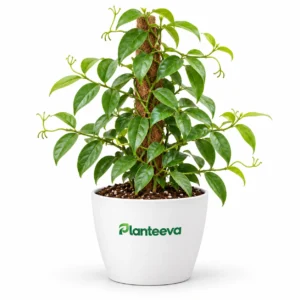
Plant heights are approximate nursery measurements, not a promise of identical mature dimensions. Pot measurements describe nominal container diameter. Choose Plant Size before reviewing the matching pot information and price. Larger selections need a stable supporting surface and enough clearance around the foliage. The catalogue includes illustrative images; ask for a current nursery photograph if an exact shape, colour selection or flowering stage is important to your order.
Cat Claw Vine Plant care guide
Light and placement
Provide strong outdoor daylight and suitable sun for the confirmed climber, with gradual acclimatisation and shelter from extreme reflected heat. Assess the position at different times of day: a comfortable morning corner can receive intense reflected heat later. Introduce a change in exposure over several days. Keep enough clearance for airflow and inspection, and avoid pressing foliage against hot glass, walls or a narrow passage. New leaves are useful indicators of whether the position is supporting healthy growth.
Watering and drainage
Water the root zone as the upper mix dries, keeping new plants evenly supplied while allowing excess water to escape. Check the root mix instead of using the same daily timetable throughout the year. When watering is due, wet the root ball evenly and let surplus water escape. Empty a saucer or outer decorative pot rather than leaving roots submerged. A small pot in wind may dry quickly, while a large shaded container can remain wet beneath a dry-looking surface. Inspect before adding more.
Soil and repotting
Use a substantial but aerated container mix or a draining bed. Install the support without repeatedly disturbing established roots. Repot when roots genuinely need space or the growing mix has deteriorated, rather than immediately choosing the largest pot available. Handle the root ball carefully and keep the correct planting depth. After moving to a new container, check how quickly it dries: the old watering interval may no longer fit. Avoid compacting fresh mix into a hard block around the roots.
Feeding for useful growth
Feed during active growth at the label rate. Avoid excess nitrogen that encourages long leafy shoots at the expense of flowers. Fertiliser cannot replace light, healthy roots or correct drainage. Check the product label and apply only to an appropriately moist root zone. If the plant is stressed, first identify the cause; adding several feeds together can worsen salt accumulation. Judge progress through sound new leaves and stems rather than expecting damaged foliage to repair itself.
Growing in Pakistani conditions
Protect tender new shoots from frost and hot dry winds. A sunny wall can be much hotter than the surrounding garden air. In hot lowland gardens, reflected heat from paving and walls can be more severe than the reported air temperature. During monsoon weather, check drainage and reduce irrigation when the root zone stays moist. In cooler northern or upland locations, review night temperatures before leaving tender plants exposed. These are practical local adaptations of general horticultural guidance, not a single calendar that fits every city.
Pruning, support and propagation
Train young shoots using loose ties, remove damaged stems and time major pruning to the confirmed species and flowering cycle. Stem cuttings or layering suit many woody climbers; seed-grown offspring may not preserve a named cultivar or flower quickly. Clean cutting tools before moving between plants. Avoid combining heavy pruning, a major move and unnecessary root disturbance on the same day. Keep supports secure without tying so tightly that stems become restricted as they thicken.
Common problems and safe handling
Inspect growing tips and leaf undersides for aphids, mites and scale. Keep foliage clear of blocked gutters and neighbouring plants. Inspect both older leaves and the newest growth before deciding on treatment. One ageing leaf is different from a rapid change across the whole plant. Isolate a badly affected specimen where practical and use only a treatment labelled for the identified problem and the intended plant. Treat ornamental flowers, pods and berries as non-edible. Keep vigorous growth within the garden and away from unsafe structures.
Frequently asked questions
How often should I water Cat Claw Vine Plant?
Water the root zone as the upper mix dries, keeping new plants evenly supplied while allowing excess water to escape. The interval changes with pot size, exposure, root development and season. Check moisture below the surface rather than treating a fixed weekly routine as a requirement.
Will it look exactly like the catalogue image?
Living nursery plants vary naturally, and illustrative catalogue images are not a guarantee of an identical specimen. Confirm current stock with Planteeva if a particular colour, branching form, exact measured height or flowering stage matters. The product selection controls the supplied size option.
Where can I read a fuller care routine?
Use our Cat Claw Vine Plant care guide for Pakistan for a practical routine covering placement, root moisture, seasonal adjustments and common mistakes. Keep the actual nursery identity and your growing conditions in mind when applying any guide.
Conclusion
Cat Claw Vine Plant is a better long-term choice when its light, root environment and space requirements match your setting. Compare the listed sizes, select the option that fits your growing position and let a newly delivered plant settle before making major changes. Planteeva can help with current nursery details; ongoing care should follow the condition of the plant and its root zone rather than a rigid routine.
Reviews
Clear filtersThere are no reviews yet.