
A good pot belongs
with the right plant.
گملے اور آرائشی گملےCompare planters and decorative pots in Pakistan with Planteeva, a nursery based in Pattoki. Start with the plant’s root space, the position and the way excess water will leave the container. Then choose a shape and finish that fit your room, balcony or courtyard.
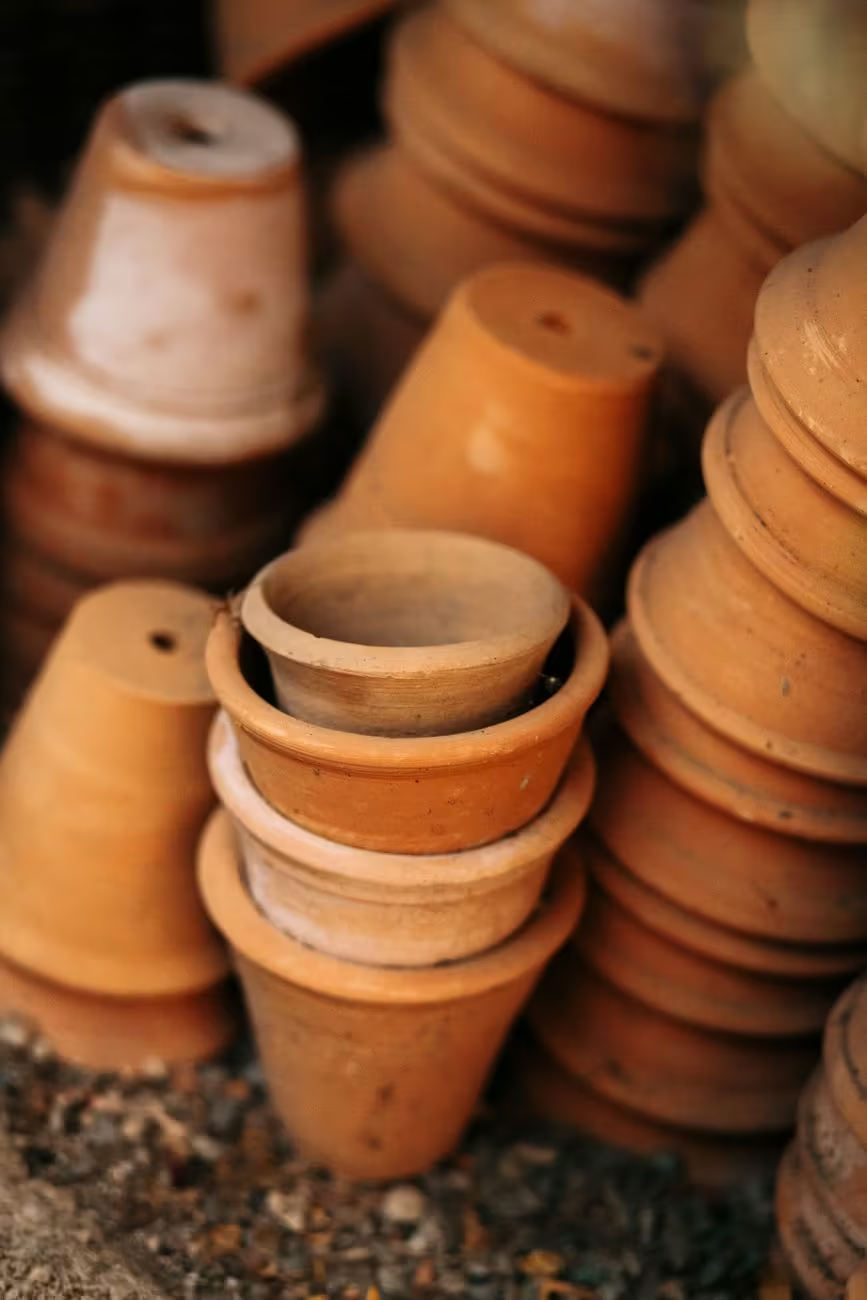
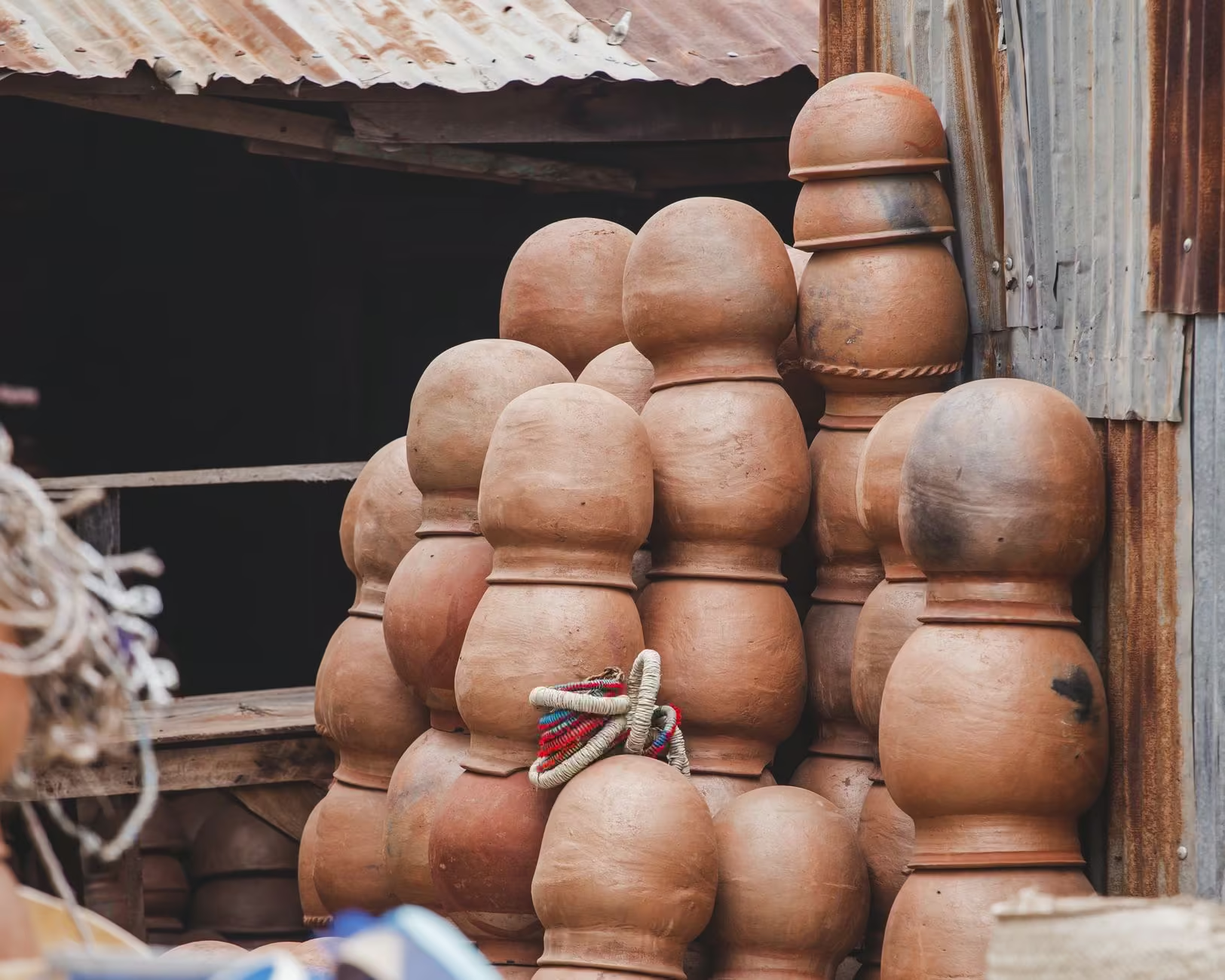
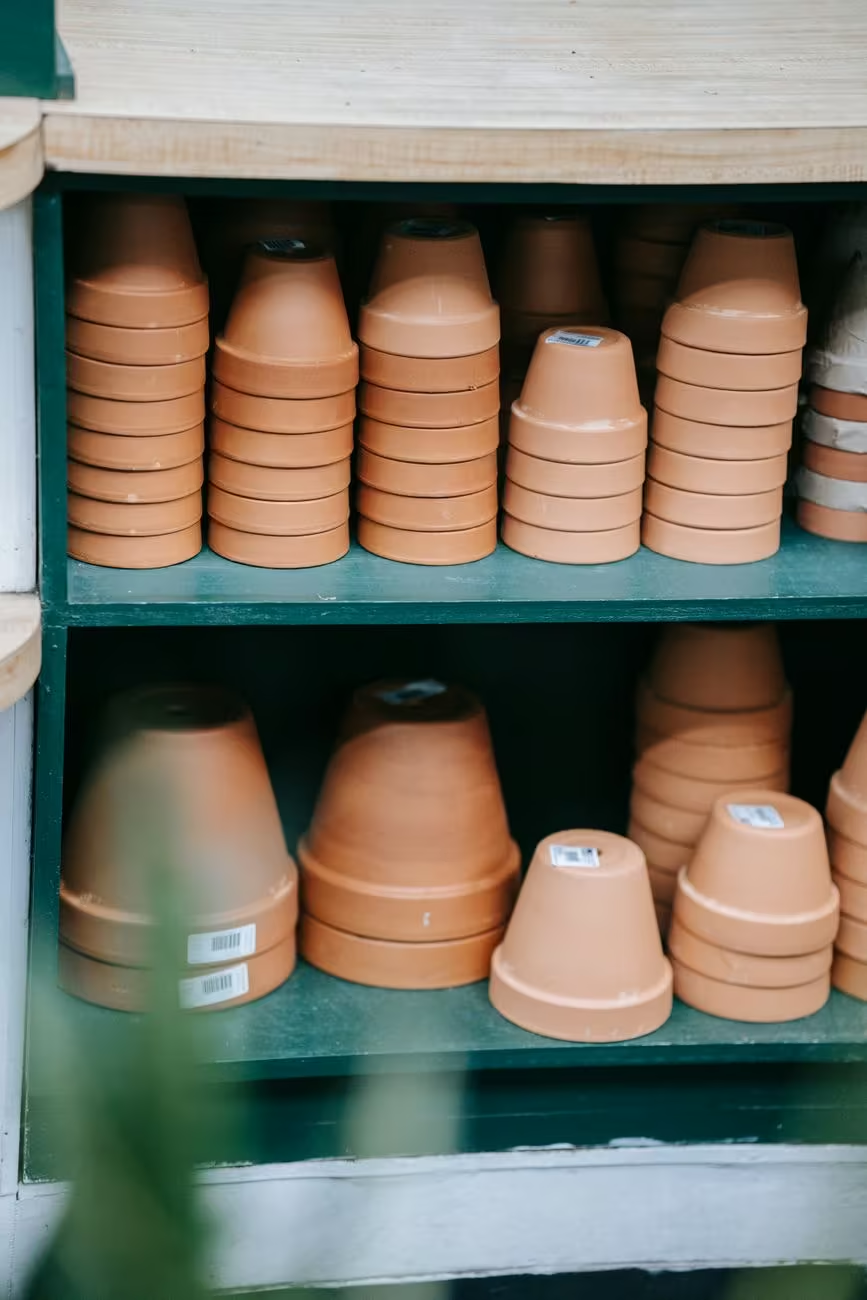
Planters and pots, ready to compare.
Check the current listing for dimensions, material, drainage holes and what is included. Confirm whether a plant, saucer or stand is supplied separately.
A container for the roots.
A finish for the space.
A decorative planter can frame a leafy indoor plant or bring a repeated colour to a balcony. Its appearance is only part of the decision. The opening, internal depth, base and weight affect how the plant will be used and cared for.
Some containers hold the growing medium directly. Others are decorative outer pots used around a separate nursery pot. Ask which arrangement the listing describes before comparing prices. The same outside diameter can hide quite different amounts of root space.
Planteeva serves buyers in Pakistan from Pattoki. Send the existing pot measurements and your city when asking about a planter. Product photographs introduce the style; current specifications establish the actual item.
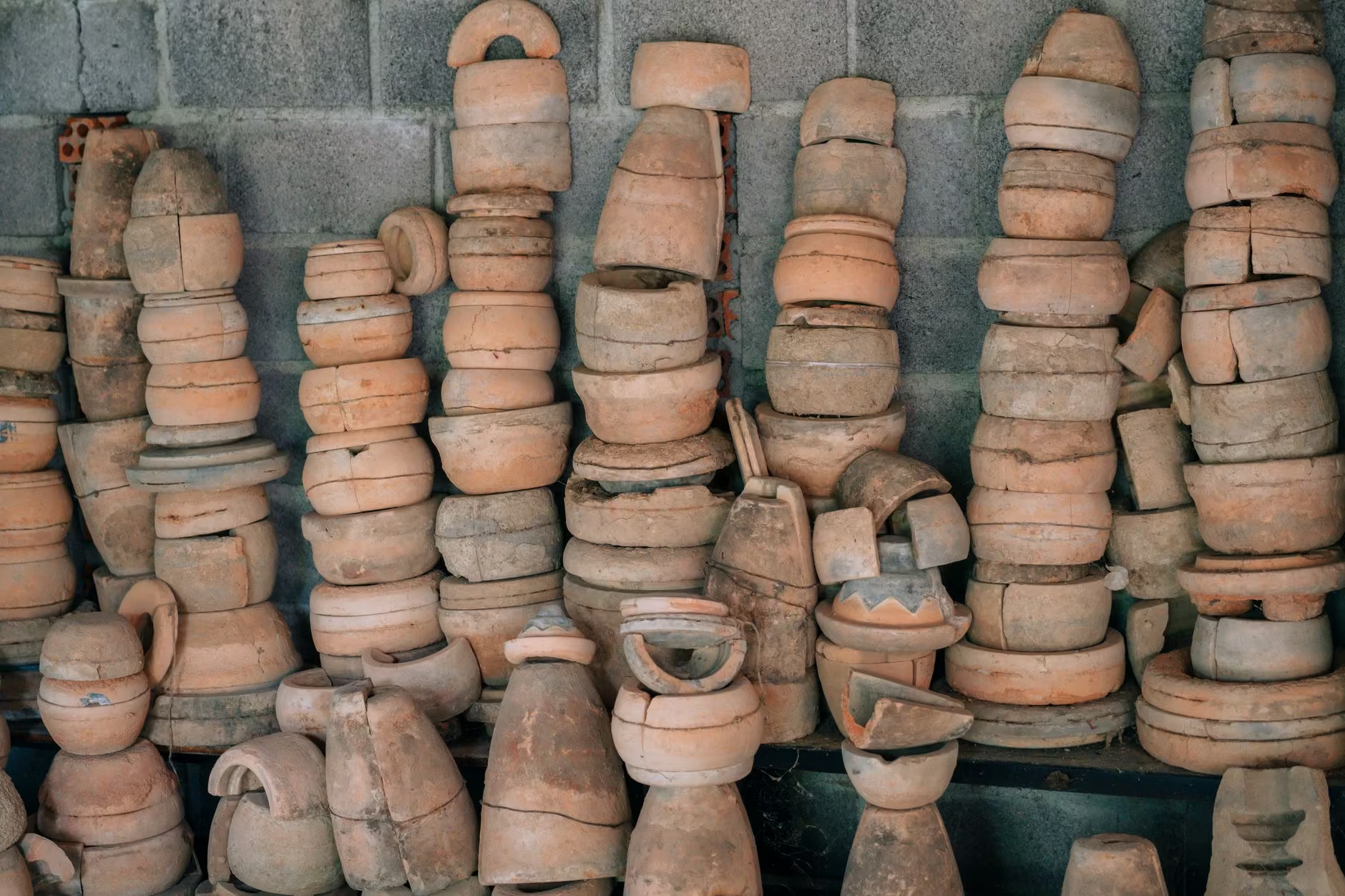
Have the existing pot nearby?
Measure its widest point and height, then ask about the internal space of the planter you are considering.
Ask PlanteevaChoose for the actual position.
A desk, balcony and courtyard ask different things of a pot. Use the position to narrow the choice before selecting a colour.
INDOORA room with a plant
Compare a practical growing pot and a decorative outer container. Keep the arrangement easy to lift, inspect and drain.
Compare planters ↗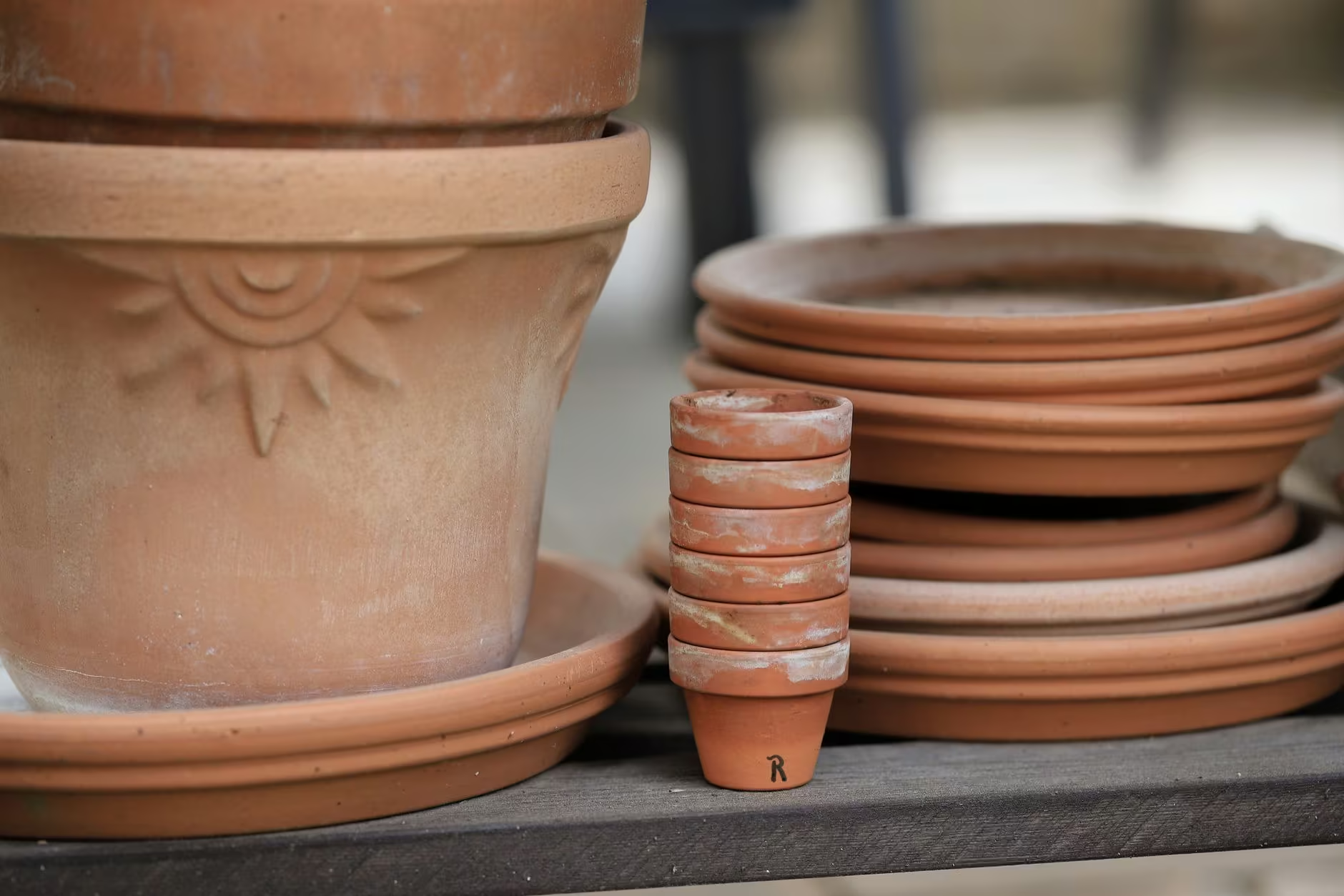 BALCONY
An exposed balcony
Consider wind, strong sunshine and the weight of the filled container. Confirm suitability for outdoor exposure.
Compare planters ↗COURTYARDA repeated arrangement
Check the dimensions and finish of each item when building a group. Leave space to reach the plants for routine care.
Compare planters ↗REPOTTINGMore usable root space
Compare the plant’s current root ball with the internal dimensions. A larger outside shape does not always mean a useful increase inside.
Compare planters ↗Four checks before choosing a pot.
Measure the opening
Compare internal width and depth with the current nursery pot or root ball. Check that the plant can be removed later.
Confirm the drainage
Ask whether the pot has open holes, a removable plug or no holes. Decide how watering will work before planting.
Choose for the position
Confirm the material and intended use. Consider sun, wind, surface protection and the filled weight.
Check what is included
Confirm the colour, dimensions and whether a saucer, stand, inner pot or plant is part of the price.
Look beyond the outside size.
Keep these details beside the listing when comparing decorative pots.
Internal space
The opening and depth matter when fitting an existing nursery pot inside an outer planter.
Water exit
An attractive container still needs a workable plan for drainage and emptying collected water.
Support
Check the surface, saucer and stand separately. Confirm that any supplied support fits the filled pot.
Current specification
Read the material and quantity stated in the listing. Display plants and styling items may be separate.
Choosing plant pots for Pakistani homes.
A useful planter supports a workable growing routine as well as the look of the space. These checks help connect the product description with the way the plant will be used.
01Decide how the container will be used
Begin by separating a growing pot from a decorative outer planter. A growing pot holds the plant and its medium directly. An outer pot surrounds another container and may have a closed base. Those arrangements need different watering routines. Check the listing and ask about the base before assuming the photographed pot is ready for direct planting. If an existing nursery pot will sit inside it, leave enough room to lift that inner pot out without pulling on the plant. A clear description of the arrangement makes later questions about size, drainage and cleaning much easier to answer.
02Measure the space that the roots can use
Write down the current pot’s width and height before browsing. Then compare internal dimensions rather than relying only on the outside width or the size printed in a product name. Thick walls, a narrow neck or a raised base can reduce the usable space. The plant’s root ball also needs to pass through the opening. Ask whether the measurement refers to the rim, body, base or internal cavity. When the aim is repotting, consider the condition of the roots and the plant’s needs rather than choosing the biggest container available. Keep a ruler beside the pot when taking a reference photograph.
03Plan where excess water will go
Check for drainage holes and whether any supplied plug can be removed. For a plant growing directly in a container, suitable drainage is part of the root environment. An outer decorative pot can collect water from the inner pot, so inspect it after watering and empty standing water. Do not assume a layer of stones turns a sealed container into a freely draining pot. A saucer protects the immediate surface only when it is suitable for the arrangement and is checked regularly. Keep drainage openings clear and follow the requirements of the plant and growing medium being used.
04Match the material to its surroundings
Read the actual material specification before comparing finishes. Terracotta, glazed containers and plastic pots can differ in weight, porosity and handling, but appearance alone does not confirm their construction. Ask whether the item is intended for the chosen outdoor or indoor setting. In Pakistan, a sunny rooftop and a shaded room expose containers to different conditions. Consider how easy the filled pot will be to move and whether it can be positioned where the plant receives suitable light. Check any surface protection or support separately. A photograph of a similar-looking container is not proof of the listed item’s material.
05Choose a position that stays practical
Leave room to water, inspect and rotate the plant without squeezing between furniture or leaning over a balcony edge. Consider the stability of a tall plant together with its pot, especially in an exposed position. A narrow decorative base can look different once a larger plant is placed above it. Keep the container where it will not block a doorway or a household route. For elevated pots, check the suitability of the shelf, stand or bracket and the filled weight. Confirm mounting details independently rather than assuming accessories in a styled photograph are supplied or suitable.
06Separate a new look from a need to repot
A change of room style does not automatically mean the plant needs a larger root container. A suitable outer pot may change the appearance while the plant remains in its current nursery pot. If repotting is needed, plan the growing medium and the handling before removing the plant. A container with a wide enough opening can make future removal easier than one that narrows sharply at the top. Choose a size suited to the root system and species. After a change, observe the plant and medium rather than continuing the previous watering routine without checking moisture.
07Keep the arrangement easy to inspect
Check pots, saucers and outer containers during the normal watering routine. Look for blocked holes, trapped water and any change in how securely the container sits. Clean an empty reused pot before using it for another plant, and follow the material’s care instructions. Rough handling can damage a pot or make a small crack worse. Avoid assuming that every finish can be scrubbed, left permanently wet or exposed to the same cleaning product. Keep labels or order details for the supplied container so a later enquiry can refer to the correct material, size and model.
08Confirm the full specification before ordering
When asking Planteeva about a planter, include the plant name, existing pot dimensions, intended position and delivery city. Confirm the current price for the actual size and finish. Ask whether the listing is for one pot or a set, and whether a plant, saucer, stand or inner liner is included. Check the delivery arrangement and any applicable charges before placing the order. Keep the product description and order reference so both sides can identify what was agreed. Save any supplied handling instructions with the order details. If an important dimension or accessory is missing from the description, ask for it before deciding that two listings describe the same item. For a quick response, use WhatsApp on +92 304 0614915 or email planteevaofficial@gmail.com; general enquiries can also go to contact@planteeva.com.
Further reading: RHS container gardening and repotting plants.