
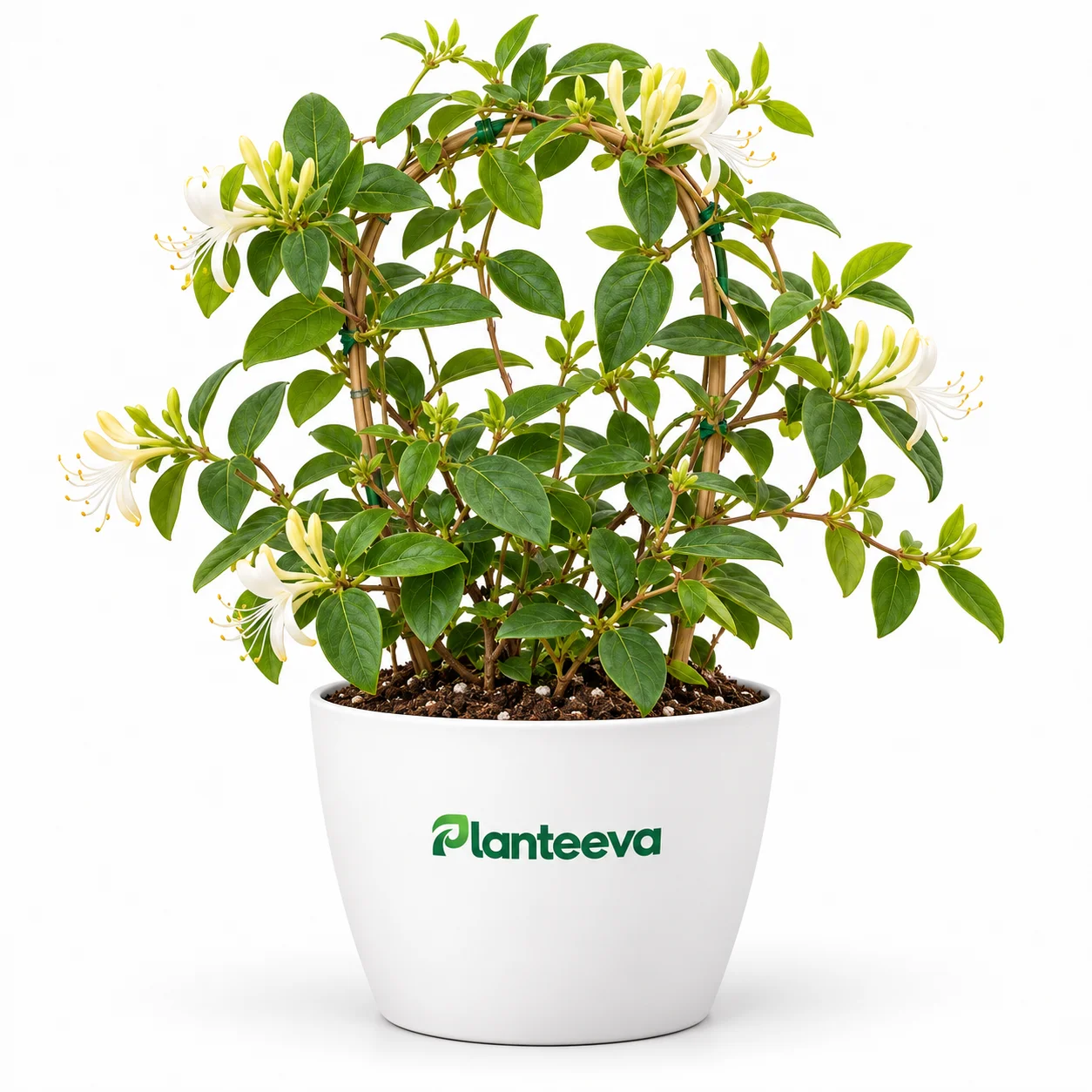
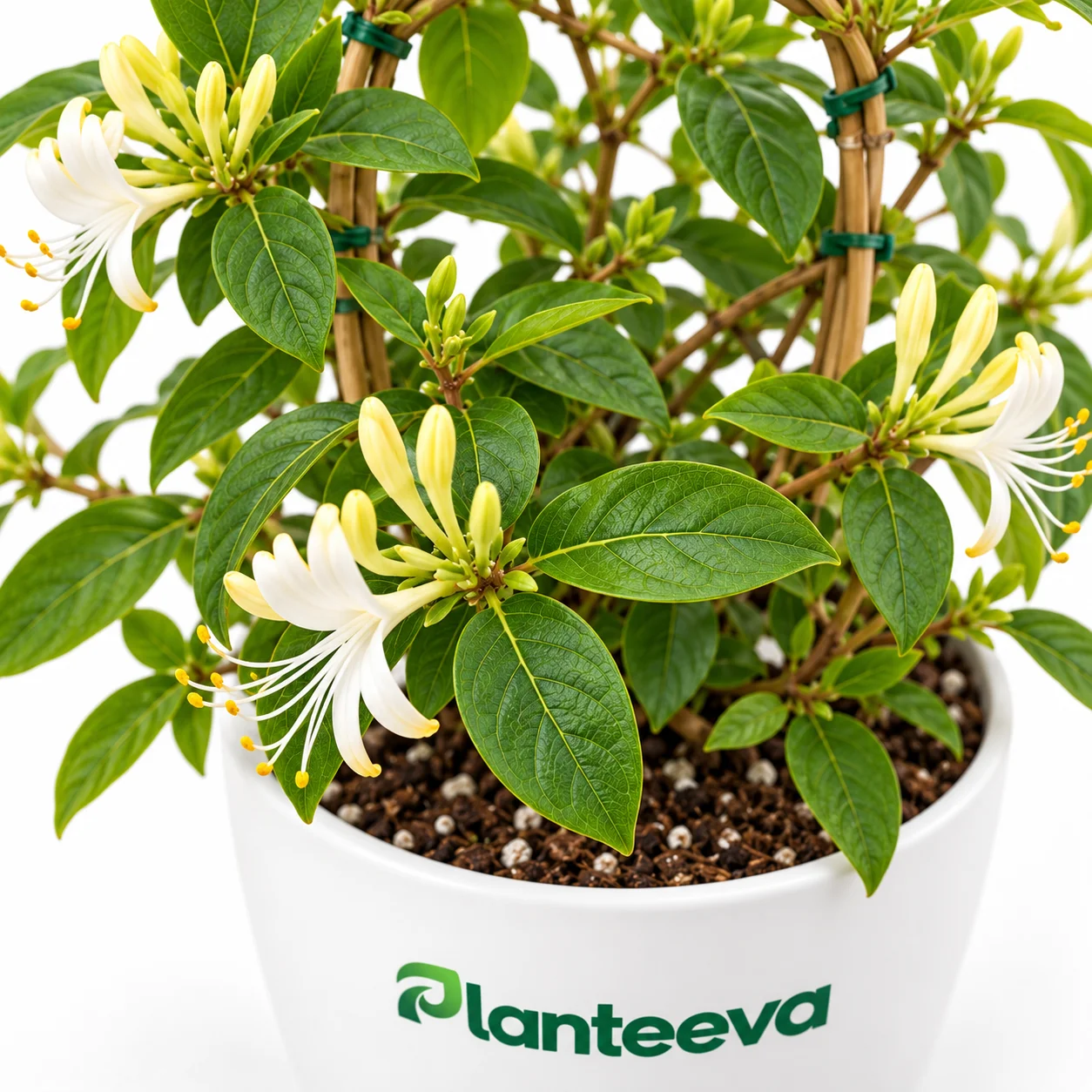
Honeysuckle adds climbing growth and tubular flowers to a suitable garden support. The exact Lonicera species or cultivar determines its mature size, flowering season, fragrance and persistence of foliage. Confirm that identity before planning a permanent planting. Choose a position with enough light for flowering and accessible stems so training and pruning can be carried out without pulling growth away from its support.
For a practical routine, explore our Honeysuckle lonicera Plant care guide alongside the product information below.
Identity and what to expect
Lonicera is a diverse genus. The listing does not establish species; do not assume every honeysuckle is evergreen, fragrant or suitable for the same climate.
Botanical reference: Lonicera species; climbing honeysuckle type. Use this reference alongside the current plant label, especially when a trade name covers several selections.
Choose suitable light
Sun or partial shade depending on the confirmed species, with a cooler shaded root zone.
Observe the proposed position in the morning and afternoon. The direction a window faces is only part of the picture: neighbouring buildings, curtains, reflected heat and distance from glass all change what reaches the leaves. Make any move to stronger exposure in stages. Judge the result by new growth and the condition of the plant rather than expecting damaged older tissue to become perfect again.
Water according to the roots
Keep establishing roots evenly moist without leaving the soil waterlogged.
Before watering, inspect the growing medium and check that excess water has somewhere to go. Compare the weight of a movable pot when freshly watered with its weight as it dries. Do not rely only on a dry surface or on one drooping leaf. If water runs straight down the sides, verify that the root ball itself has received moisture. Keep runoff away from furniture and empty any outer cover that has collected it.
Growing medium and drainage
Fertile humus-rich draining garden soil.
Repot for a demonstrated need, such as crowded roots, failed drainage or a damaged container. A larger pot is not automatically an improvement. Prepare the new container first, keep healthy roots intact where possible and water according to the condition of the medium after the move. Avoid combining repotting, severe pruning and a sudden exposure change on the same day unless a genuine problem requires intervention.
Growth, maintenance and seasonal care
Provide a freestanding frame and guide young stems with loose ties. Confirm pruning timing after identifying whether flowers appear on older or current growth.
Train before stems become tangled
Set up a suitable support while young shoots are flexible and guide them with loose ties. Leave enough room for expansion and check ties regularly. A climbing plant can shade its own base, but it still needs accessible roots and a manageable boundary. Do not let stems enter gutters or neighbouring vegetation simply because they attach readily.
Prune after identification
Different honeysuckles flower on different growth. Confirm the species and flowering pattern before cutting every shoot back. Keep notes on which stems flower, remove unwanted spread and preserve airflow around dense sections. Treat ornamental berries as non-edible unless the identity and food use have been positively established. A pleasant flower scent does not establish berry safety.
Seasonal suitability in Pakistan
Flowering and pruning seasons vary among evergreen and deciduous honeysuckles.
Hot plains and reflective surfaces
In the hot plains of Punjab and Sindh, paving and walls can intensify exposure around a container. Examine the canopy and root zone separately: adequate light above does not require allowing the pot to overheat. Check whether wind dries one side more quickly and whether irrigation reaches the original root ball. Introduce a nursery-grown plant to a brighter location gradually. A stressed plant should be evaluated in place before adding fertiliser or making a major pruning cut.
Monsoon drainage and coastal humidity
After sustained rain, look at where runoff goes and how long the root zone stays saturated. A freely draining pot can still sit in a pool on a blocked terrace, and garden soil may hold water beneath a dry surface. Keep the stem or crown clear of piled mulch and inspect sheltered corners for pests. Coastal humidity can influence drying, but it is not a replacement for irrigation or a guarantee against stress. Adjust each planting according to its own exposure.
Northern gardens and winter planning
A plant suitable for a sheltered lowland courtyard may need a very different winter plan in an upland garden. Compare local frost exposure with the needs of the identified species and cultivar. Young plants and small containers can be more vulnerable than established specimens in the ground. Protect tender growing points without wrapping wet material tightly around them. Review the planting position before purchase when a plant depends on winter chilling, mild conditions or room for a mature canopy.
Recognise problems before treating them
Inspect vigorous stems and remove unwanted spread. Ornamental berries are not automatically edible; do not identify a safe food plant by flower colour.
Inspect nearby plants as well as the affected specimen. Note whether the change began after transport, watering, heat, cold or feeding. If insects are visible, identify them before choosing a treatment and follow the product label. Do not apply several sprays or fertilisers together merely to cover every possibility. Keep a short record and compare the next growth; this makes a persistent problem easier to explain when seeking practical local advice.
Frequently asked questions
How often should I water Honeysuckle lonicera Plant?
Keep establishing roots evenly moist without leaving the soil waterlogged. Check the actual growing medium each time; weather, root volume and exposure change the interval.
Should I repot immediately after arrival?
Inspect first. If drainage works and the roots are not in trouble, allow the plant to settle. Repot promptly only when an actual root, container or growing-medium issue makes it necessary.
Can I grow it in every city in Pakistan?
Flowering and pruning seasons vary among evergreen and deciduous honeysuckles. Consider the specific site and identified selection rather than assuming that one city-wide climate description guarantees success.
Will it look exactly like the picture?
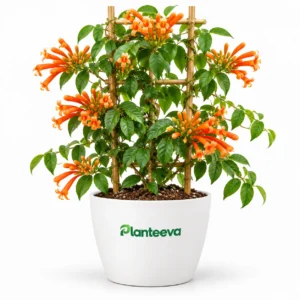
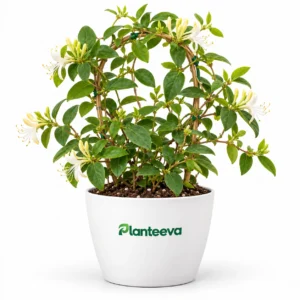
Leaf shape, colour, fullness and flowering change with maturity and conditions. Confirm current size, cultivar and any set contents with Planteeva before purchase. Product photographs represent plant form; the living specimen supplied can vary in size and appearance.
Conclusion
Select Honeysuckle lonicera Plant for the growing conditions you can maintain consistently. Confirm the supplied option and any missing specifications, prepare a suitable position and follow the plant’s response after arrival. Planteeva’s care guidance is intended to support practical decisions without promising a particular growth speed, flower display or harvest in every location.
Reviews
Clear filtersThere are no reviews yet.