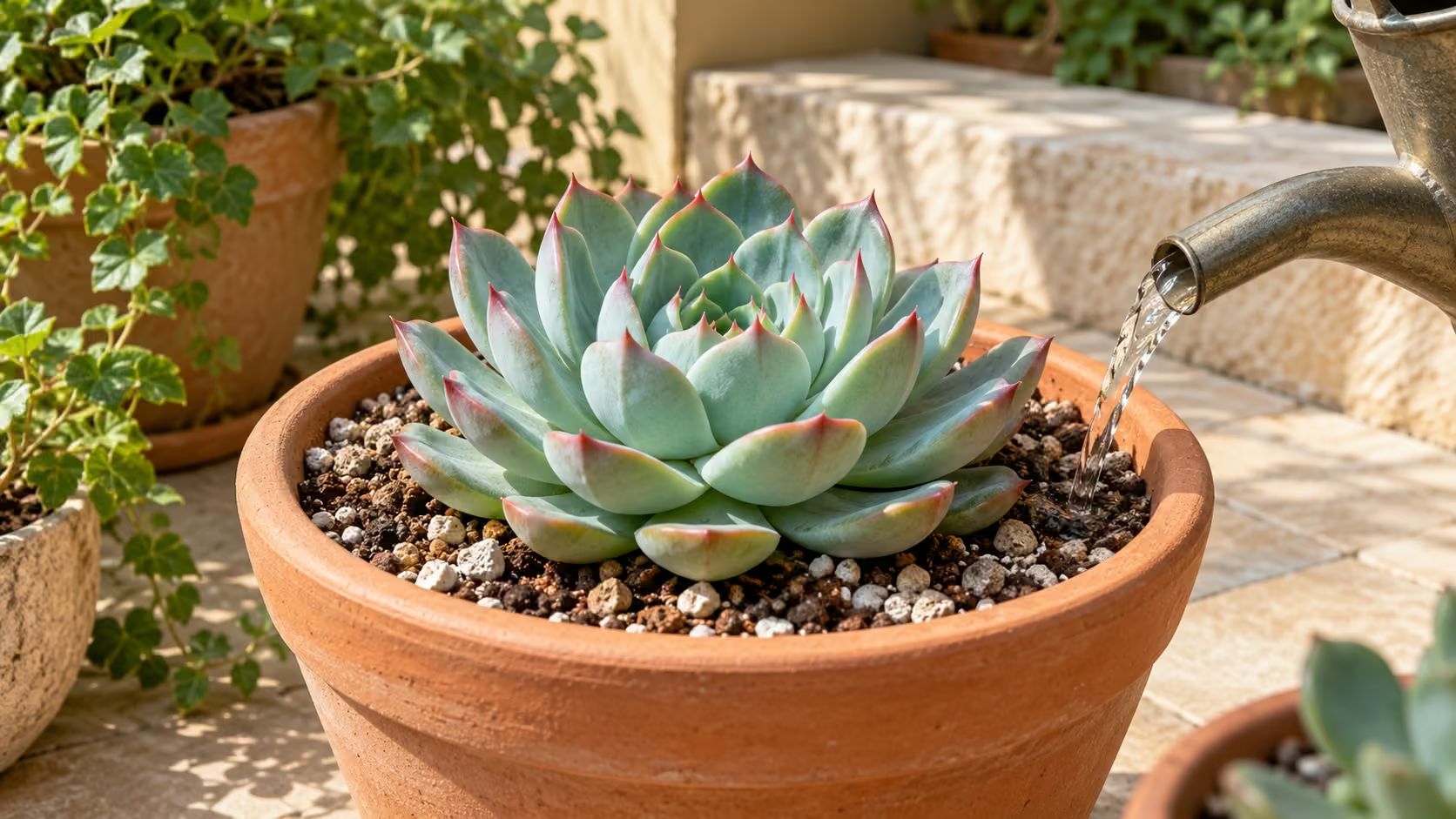
A Echeveria Pulidonis Sky Pearl care routine should answer three questions: does the position provide the right light, are the roots receiving the right balance of moisture and air, and does the local season suit the plant? Start there before buying extra food or treating a damaged leaf. The observations below help you build a routine for the actual specimen in your Pakistani home or garden, while keeping uncertain trade names and missing specifications in view.
For another practical care routine, read the Vriesea Era Forrest Plant care guide.
Start with the correct identity
Sky Pearl is a trade designation associated with the cultivar Ovpearls05. It forms a compact blue-green succulent rosette; colour varies with conditions.
The botanical reference for this listing is Echeveria pulidonis 'Ovpearls05' (Sky Pearl). Keep the plant label and a clear photograph together. This is particularly useful when two plants share a common name or a collection contains several different components. Appearance can change with maturity, so a single leaf or a heavily edited catalogue image should not be used as the only identification tool.
Set up the growing position
Bright light with sun introduced gradually; shade from extreme heat if leaves scorch.
Spend a little time watching the proposed position before moving the pot. Look for a hot patch of glass, an afternoon beam that does not reach the same place in the morning, or a wall that releases stored heat after sunset. Indoors, a bright room can still contain a dim corner. Outdoors, a shaded root zone can sit beneath well-lit foliage. Write down the original position so any later improvement can be connected to a real change.
Make your first watering decision
Let the growing medium dry before watering the soil around the rosette.
On arrival, the plant may already have been watered. Check before adding more. If the container is movable, compare its weight with the feel of the growing medium; if it is planted in the ground, inspect the original root zone rather than only the surrounding soil. A moisture meter can be a supporting observation, but it should not replace checking the plant and the medium. Roots in different mixtures do not necessarily produce comparable readings.
Build a workable root environment
A gritty free-draining succulent mix and a pot with an open base.
Drainage is a whole-container issue. A hole cannot help if it is blocked, if the pot sits in retained runoff or if the growing mix has become compacted. Check the base after watering and confirm that a decorative cover is not functioning as a reservoir. A layer of stones inside an undrained pot is not equivalent to a working outlet. Keep the planting depth appropriate to the species, with sensitive crowns, stem bases or surface rhizomes positioned correctly.
Follow the plant’s growth habit
Avoid rubbing the leaf coating or leaving water in the centre. Remove dead lower leaves gently without tearing healthy tissue, and separate offsets only when established.
Drying must be real
A succulent can have a dry-looking surface above a wet root zone. Check deeper where practical, compare pot weight and make sure the container has an outlet. A closed glass vessel or a decorative bowl without drainage makes it difficult to manage a thorough watering. When the plant needs water, wet the growing medium and allow excess to leave. Repeated tiny splashes can keep a stem base damp while leaving much of the root system poorly supplied.
Adjust the routine across Pakistan
Reduce watering as cool weather slows growth and keep rain out of the rosette.
When heat and wind increase
Think about the temperature around the plant rather than the city forecast alone. A rooftop, sheltered veranda, irrigated lawn and air-conditioned room can create very different conditions on the same day. Watch for rapid drying, hot container walls and leaves pressed against glass. Increase monitoring during a heat spell without deciding in advance that every check must end with irrigation. Where protection is needed, preserve useful light and airflow instead of sealing the plant inside a hot enclosure.
When rain and humidity persist
Walk around the growing area after heavy rain and follow the runoff. An exposed container can receive more water than expected, while a pot beneath a roof may remain dry. Check for debris around outlets, water inside covers and mulch touching sensitive stems. Humid air may slow evaporation but does not guarantee evenly moist roots. Continue checking individual pots, and leave enough room around dense foliage for inspection rather than pressing every plant tightly into the same corner.
When nights become cooler
Review the position before a damaging cold spell arrives. Tender tropical plants and selections with winter chilling requirements need different plans, so identification remains important. In a container, limited soil volume can change temperature quickly. Look at the timing of new growth and changes in drying rather than extending a summer routine automatically. A protected location must still provide suitable light. Do not move a plant into a dark closed space simply because it feels warmer there.
Troubleshoot in a useful order
Stretching usually indicates inadequate light. Bleached patches after a sudden move outdoors are damage rather than a desirable method of intensifying leaf colour.
Use a short sequence before treatment. First, inspect the newest growth and compare it with the oldest affected tissue. Next, check root moisture and the recent exposure history. Then examine leaf undersides, stem joints and nearby plants for an actual pest. Photograph changes from the same angle so progression is easier to judge. If treatment is justified, use a product labelled for the confirmed issue and plant type, following its directions rather than increasing concentration in an attempt to speed recovery.
Keep a small care record
A useful record needs only the date, the condition of the medium, the action taken and a note on new growth. It should help you notice patterns, not force the plant into a rigid schedule. Record a change of position, a period of unusual weather or a feed application. If several people care for the same plant, this also prevents duplicate watering. Review the record when a problem persists and share relevant photographs when asking Planteeva or a local horticulturist for help.
For available options and current specifications, view Echeveria Pulidonis Sky Pearl at Planteeva.
Frequently asked questions
How often should I water Echeveria Pulidonis Sky Pearl?
Let the growing medium dry before watering the soil around the rosette. The correct interval varies with the root environment, season and exposure.
Should I repot immediately after arrival?
Inspect first. If drainage works and the roots are not in trouble, allow the plant to settle. Repot promptly only when an actual root, container or growing-medium issue makes it necessary.
Can more fertiliser fix slow growth?
Only when an appropriate nutrient supply is genuinely missing. Root damage, unsuitable light, heat, cold and a natural resting phase require different responses. Follow labelled feeding directions for the identified plant and avoid feeding heavily while the roots are stressed.
Is this suitable for every Pakistani climate?
Reduce watering as cool weather slows growth and keep rain out of the rosette. Confirm cultivar requirements and the actual growing position before committing to a permanent planting.
What does the featured image represent?
It is an AI-generated illustration of the plant or a relevant care concept. It does not verify the size, flowering stage or exact contents of a supplied collection. Use the product description and current specifications when making a purchase.
Conclusion
Give Echeveria Pulidonis Sky Pearl a routine built around its identity, suitable exposure and an observable root environment. Keep major changes deliberate, look at new growth over time and adjust for the local season. This approach provides a clearer basis for care than guessing from a single symptom or repeating a watering interval copied from another climate.