A useful Grill Ficus Plant care routine starts with the growing position and the condition of the roots. Watering more frequently is not always the answer to a tired-looking plant, and a sunny garden does not offer the same environment as a sheltered indoor window. This Planteeva guide explains how to make sensible decisions for Pakistani homes and gardens while allowing for differences in nursery size, season and the actual plant supplied.
For another practical care routine, read the Multi Head Ficus Plant care guide.
Know the plant before choosing a routine
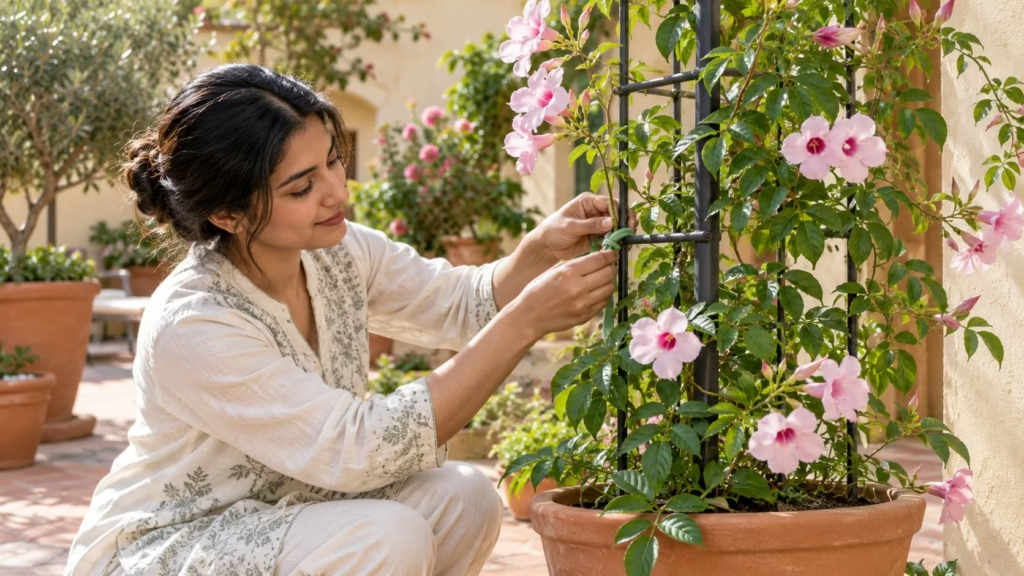
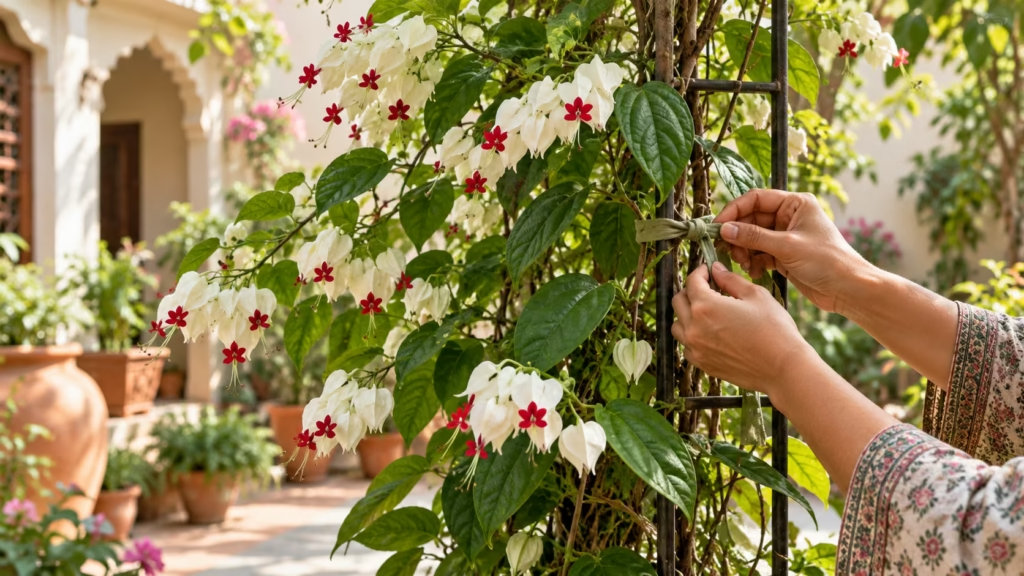
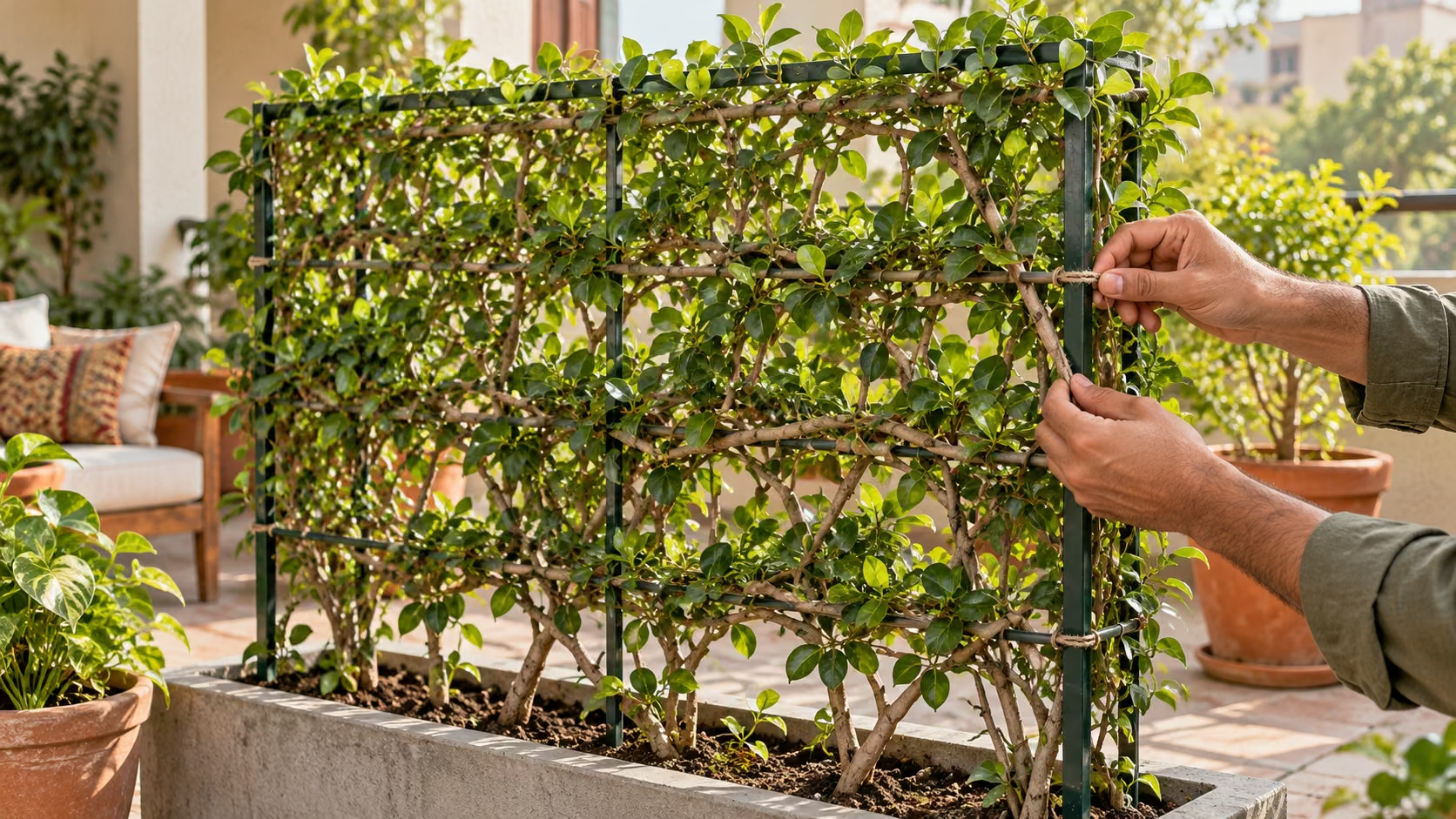
The botanical care reference is Ficus microcarpa. Grill describes the trained framework rather than a botanical species. Check branch ties and the supporting structure regularly so thickening stems are not constricted.
Start with a short observation period
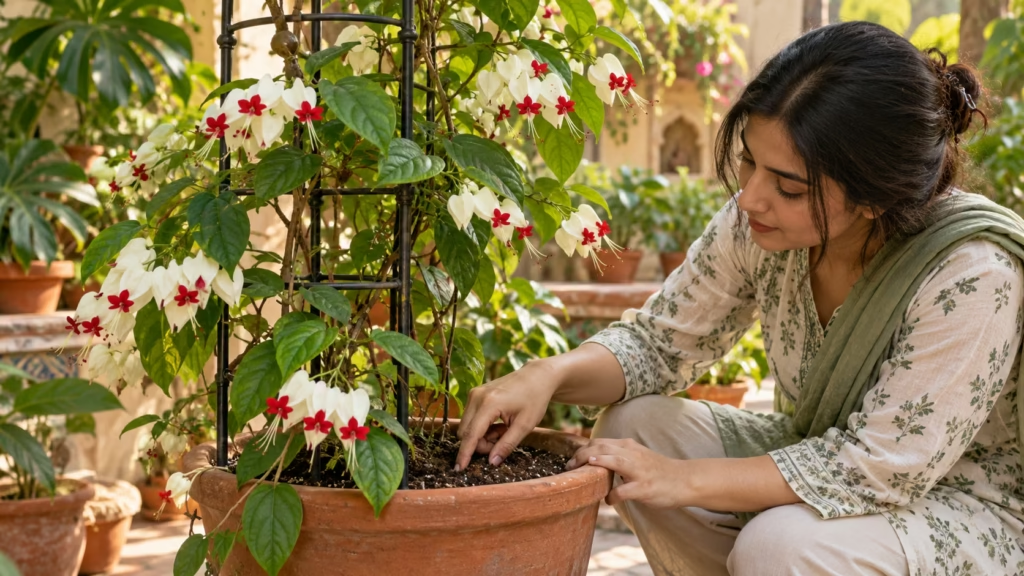
After arrival, inspect the plant, its container and the moisture in the root ball. Remove packaging without pulling leaves or stems, and choose a stable position with suitable light. Unless there is a clear problem, allow time to settle before heavy pruning or repotting. Keep a simple record of recent watering and the condition of new growth so you can distinguish an adjustment from a continuing decline.
Find the right light
Choose a bright outdoor position with suitable morning sun, introducing stronger exposure gradually and providing relief from extreme heat. Watch the position through the day instead of judging brightness once. Reflected heat from a wall, rooftop or glass can damage foliage even when the surrounding air feels comfortable. Move gradually between markedly different exposures. Stretched new stems and weak growth deserve a light assessment before more fertiliser is added.
Water according to the root zone
Water the root zone when the upper soil starts drying. Keep young plants from drying completely, but never leave drainage outlets submerged. Check beneath the surface and compare how heavy the pot feels after a thorough watering and near the next appropriate irrigation. Water slowly across the mix, not just in one narrow channel. Let it drain and empty any collecting saucer. A constantly wet base can coexist with a dry top layer, especially in a large container.
When the interval changes
Warm moving air, stronger light and an expanding root system can increase water use. Cloudy weather, cooler temperatures and a recently enlarged pot may slow it. Rainfall should count toward the moisture available to the plant, but check whether it actually reached the root ball. Use these observations to adjust the interval rather than carrying a summer timetable unchanged into winter.
Keep soil structure and drainage working
Use a fertile, freely draining container mix or improve a suitable garden bed before planting; heavy compacted soil can suffocate roots. Check that drainage holes are not blocked by a flat shelf, dense roots or an outer decorative container. Repot for a clear reason, such as badly congested roots or deteriorated mix, and use a sensible container size. A large volume of unused wet mix can create problems rather than encourage faster growth.
Feed and shape at the right time
Fertiliser
Apply a balanced ornamental-plant feed during active growth at its label rate. Avoid excessive nitrogen when flowering is the main aim. Measure the feed instead of estimating a stronger dose for a weak plant. A damaged root system cannot use extra nutrients normally, and several products applied together can produce excess salts.
Pruning and propagation
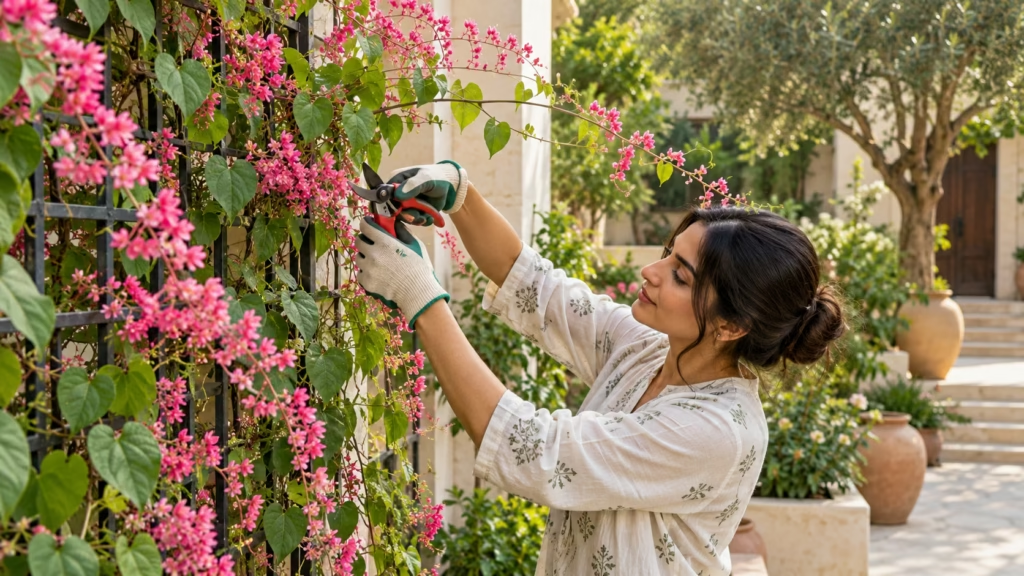
Clip selectively to maintain the supplied trained shape, check ties and supports, and preserve enough green foliage to support recovery. Healthy stem cuttings are suitable for many shrubs, but timing and rooting requirements depend on the confirmed species. Clean tools and make deliberate cuts. Avoid using heavy pruning as an immediate response to normal short-term changes after transport.
Adapt the routine across Pakistan
Adjust exposure and watering to local conditions. Warm sheltered sites suit many tropical shrubs, but winter protection depends on species. In Punjab and other hot lowland areas, assess afternoon exposure and the temperature of containers on paved surfaces. In humid coastal conditions, prioritise drainage and ventilation rather than assuming every plant needs extra water. Cooler upland gardens need a separate assessment of frost and winter suitability. These local applications depend on the actual site and should not be read as a guarantee of performance in every city.
A practical seasonal check
- Before hot weather, inspect exposure, drainage and the security of supports.
- During monsoon rain, check moisture before watering and keep outlets open.
- As growth slows, review irrigation and feeding rather than maintaining the same dose.
- After severe wind or cold, inspect damage before making major corrective cuts.
Recognise problems without guessing
Inspect new shoots, buds and leaf undersides for aphids, whitefly and scale. Improve airflow around crowded wet foliage. Compare the affected leaves with the newest growth and check moisture, light and recent changes. Brown edges alone do not identify a pest, while visible insects should be examined before treatment. Separate a heavily infested plant where practical and select only a labelled treatment for the confirmed issue. Do not repeatedly spray different products without checking the response.
Handling and placement
Ficus sap may irritate skin. Wear gloves when trimming and place the growing root system with clearance from vulnerable structures. Place hanging containers and tall plants securely, and keep discarded stems, berries and potting mix out of reach. Wear suitable gloves for sharp, thorny or sap-producing plants.
For available options and current specifications, view Grill Ficus Plant at Planteeva.
Frequently asked questions
Does Grill Ficus Plant need water every day?
A daily check can be useful in demanding weather, but checking is different from automatically watering. Follow the root-moisture guidance above and account for the container, exposure and season. Water only when the plant and its growing mix need it.
Should I repot immediately after delivery?
Usually, inspect first. Repot promptly only when a real issue such as failed drainage or badly damaged growing media requires attention. Otherwise, allow the plant to settle and evaluate its roots before choosing a new container.
Why is the nursery name important?
Common names can cover different species and cultivars. Confirm identification when mature size, winter survival, fruiting, flower colour or a pruning group is important. A catalogue illustration alone cannot establish those details.
Conclusion
Care for Grill Ficus Plant by matching its light and root conditions, watching new growth and adjusting to the season. Keep identification and current conditions at the centre of each decision.